
Microsoft Phi-4-Vision-Reasoning: компактная модель с навыками рассуждения
Microsoft представляет новую модель семейства Phi, объединяющую визуальное восприятие и сложные цепочки рассуждений в компактном формате.

Суть новости
Microsoft Research анонсировала новую модель в своей линейке компактных языковых моделей — Phi-4-Vision-Reasoning. Это мультимодальная модель, которая не просто распознает изображения, но и способна проводить сложные рассуждения (reasoning) на основе визуальных данных. Главная цель разработчиков заключалась в том, чтобы преодолеть типичные недостатки крупных мультимодальных систем — их медлительность, высокую стоимость использования и сложности при внедрении. Новая модель стремится объединить эффективность небольших моделей с аналитическими способностями, ранее доступными только гигантам индустрии.
Контекст
Индустрия искусственного интеллекта движется в двух, казалось бы, противоположных направлениях. С одной стороны, мы видим гонку за созданием всё более огромных моделей (как GPT-4 или Gemini Ultra), которые требуют колоссальных вычислительных мощностей. С другой стороны, растет спрос на «малые языковые модели» (SLM), которые можно запускать локально на устройствах пользователей или с минимальными затратами в облаке.
Семейство моделей Phi от Microsoft зарекомендовало себя как лидер в нише компактных решений. Предыдущие версии (Phi-1, Phi-2, Phi-3) показывали удивительно высокие результаты на бенчмарках, несмотря на скромное количество параметров, благодаря использованию синтетических данных высокого качества для обучения. Теперь Microsoft делает следующий шаг, добавляя к этому «визуальный интеллект» и способность к пошаговым рассуждениям.
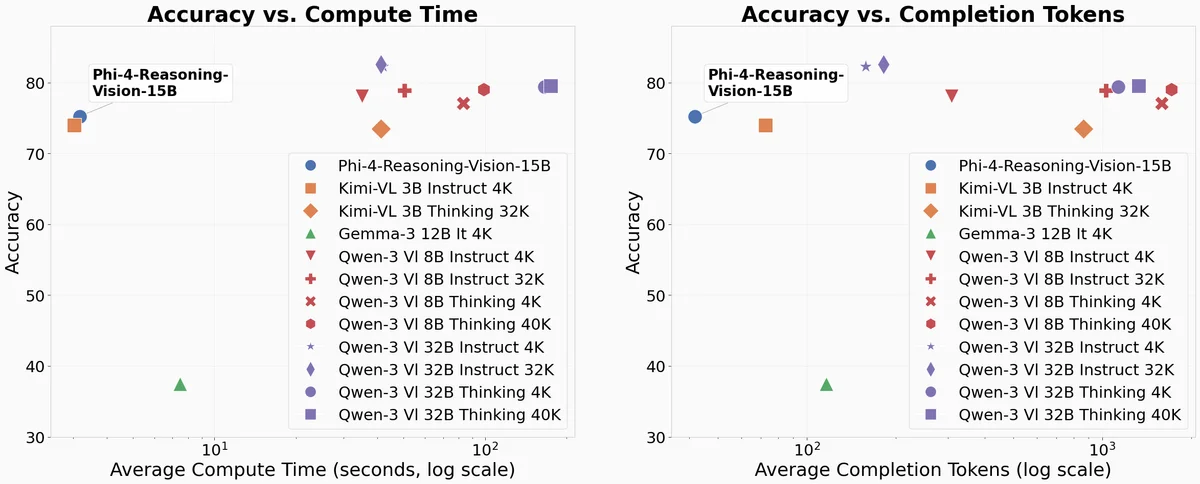
Performance charts comparing Phi-4-Reasoning-Vision-15B against other models (Kimi-VL, Qwen-3, Gemma-3) on accuracy vs. response time and accuracy vs. completion tokens. Phi-4 stands out as being fast and token-efficient while achieving ~75% accuracy.
Детали
Ключевая особенность Phi-4-Vision-Reasoning заключается в интеграции двух важных компонентов:
- Мультимодальность: Способность модели воспринимать и обрабатывать не только текст, но и изображения. Это критически важно для задач, где требуется анализ графиков, диаграмм, пользовательских интерфейсов или сцен из реального мира.
- Рассуждение (Reasoning): Модель обучена выстраивать логические цепочки. Это не просто выдача наиболее вероятного следующего слова, а попытка имитировать процесс мышления, разбивая сложную задачу на подзадачи.
Разработчики подчеркивают, что объединение этих навыков в компактной архитектуре позволяет снизить задержку (latency) при генерации ответов и сделать передовые технологии доступнее для широкого круга разработчиков и компаний.
Анализ
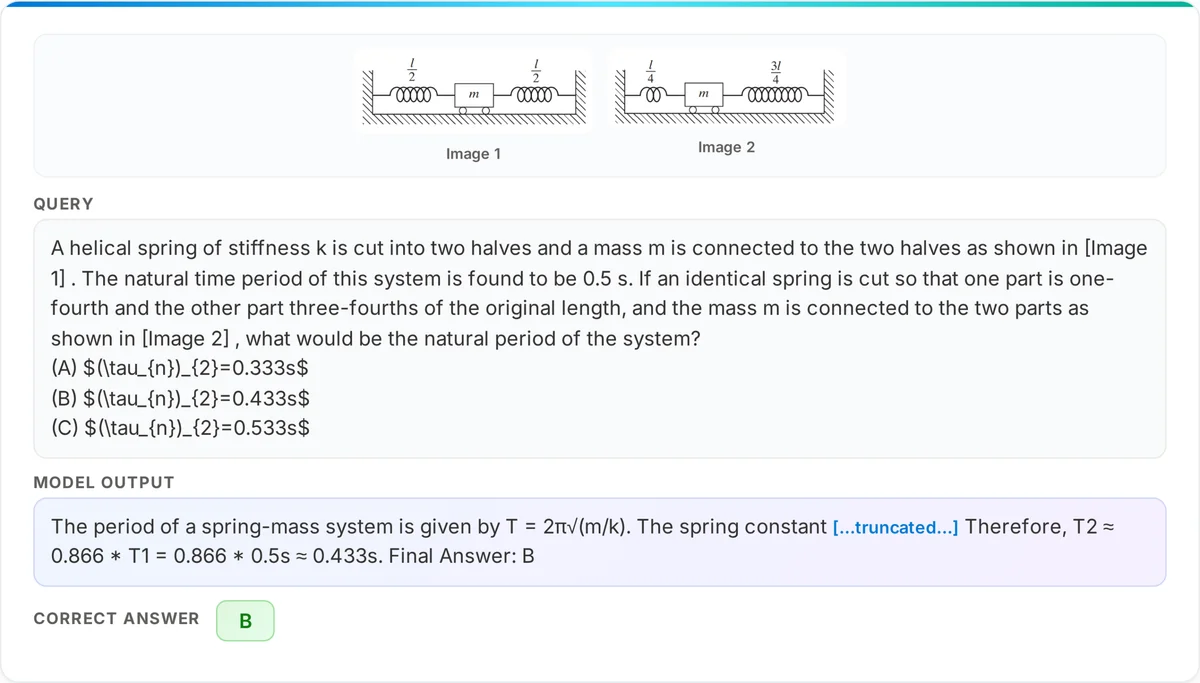
A physics problem about spring-mass systems, with two diagrams. The model correctly works through the spring constant relationships and arrives at answer B (0.433s).
Появление Phi-4-Vision-Reasoning сигнализирует о важном сдвиге в приоритетах крупных игроков. Если раньше фокус был смещен на «сырую мощь» и объем знаний модели, то теперь на первый план выходят эффективность и специализация. Компактные модели с навыками рассуждения открывают дорогу для создания действительно умных агентов, работающих на периферийных устройствах (edge devices) — от смартфонов до промышленных роботов.
Это также решает проблему стоимости. Запуск огромной модели для каждой задачи часто экономически нецелесообразен. Небольшая, но «умная» модель, способная видеть и думать, может стать идеальным решением для автоматизации рутинных бизнес-процессов, где требуется анализ документов или визуальный контроль качества.
Перспектива
В ближайшем будущем мы увидим усиление конкуренции в сегменте малых мультимодальных моделей. Успех Phi-4 может подтолкнуть другие лаборатории (например, Google с их Gemma или Meta с Llama) к выпуску аналогичных специализированных версий.
Главный вопрос, который предстоит решить индустрии, — насколько надежными могут быть рассуждения в моделях с ограниченным числом параметров. Если Microsoft удастся доказать, что «маленький мозг» может рассуждать так же логично, как и большой, это кардинально изменит архитектуру будущих AI-систем, сместив баланс от облачных вычислений к локальной обработке данных.
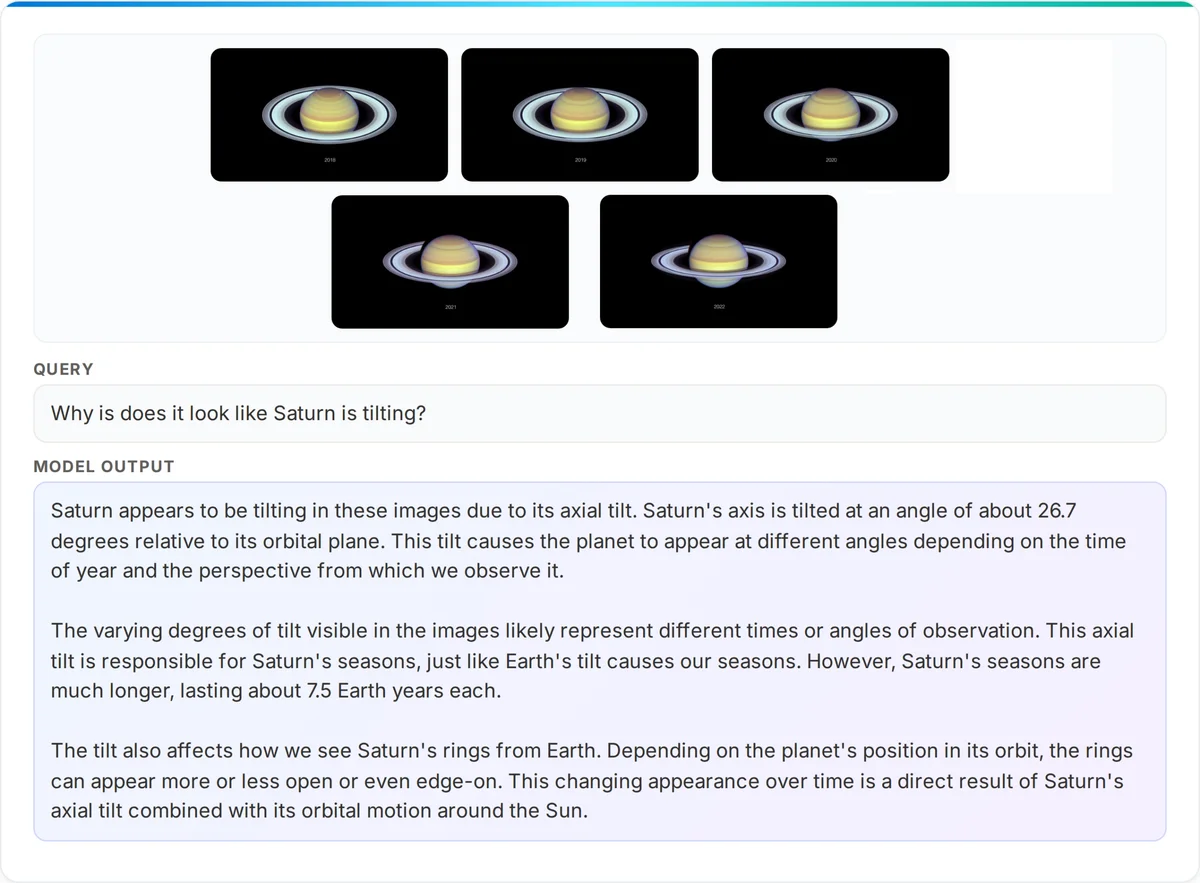
A multi-image reasoning example — five Hubble photos of Saturn from 2018–2022, with the query
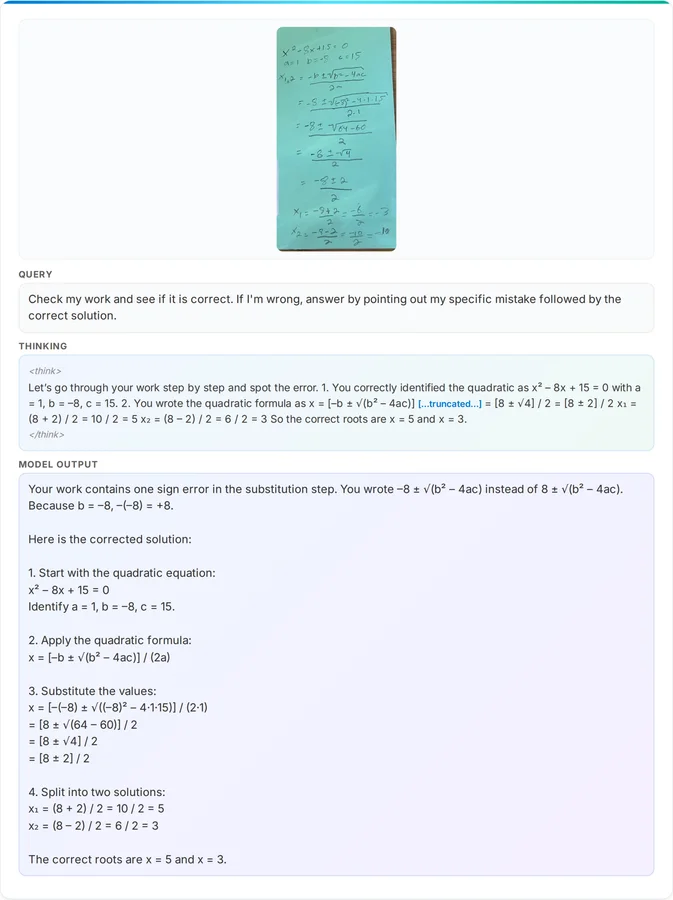
A handwritten math homework checker. The student made a sign error in the quadratic formula (wrote −8 instead of +8). The model's thinking process catches the error and provides the corrected solution (x = 5 and x = 3).
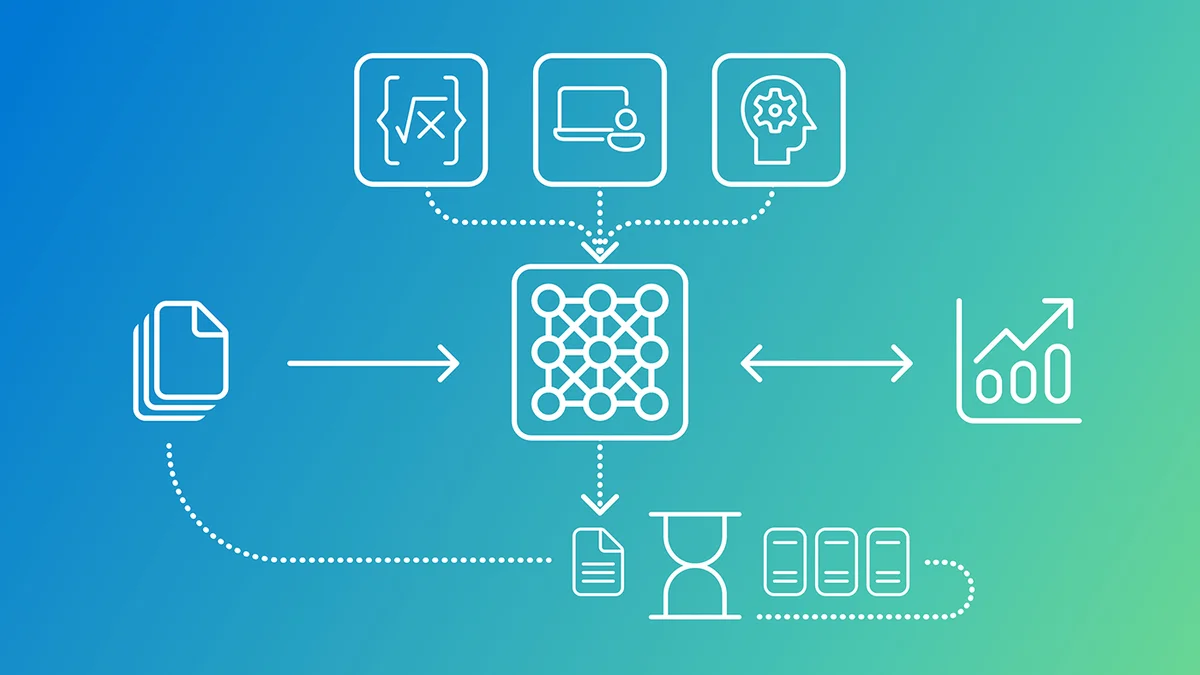
White line icons against a blue-green gradient background form an architecture flow chart. In the middle of the chart is a three-by-three matrix of circles and lines within a round-edge square. Above the matrix, three icons in a row – an equation, a person using a desktop, and a head with gears flow by dotted lines to the matrix. To the left of the matrix is an icon representing a stack of files with an arrow pointing to the matrix. To the right of the matrix is a graph with a double headed arrow pointing to the matrix and to itself. Below the matrix is an icon representing a document. A dotted line arrow connects this graph to the matrix, showing the direction flowing from the matrix to the document. To the right of the document icon is an hourglass icon and three list icons with a dotted line connecting the hourglass to the lists.
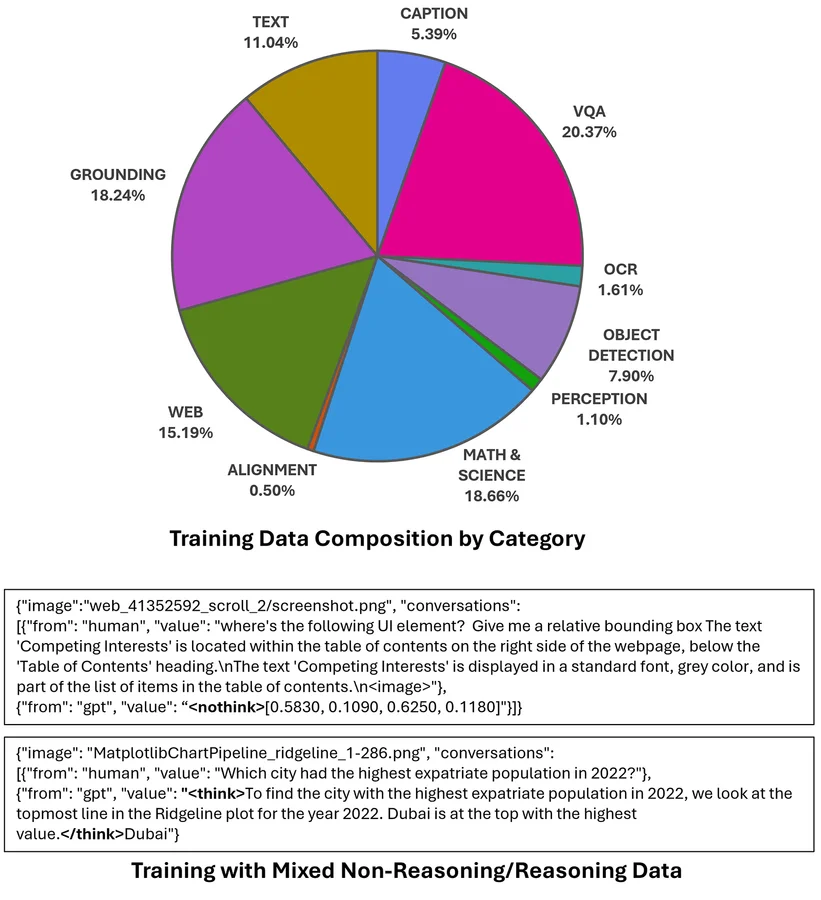
Top: A pie chart titled
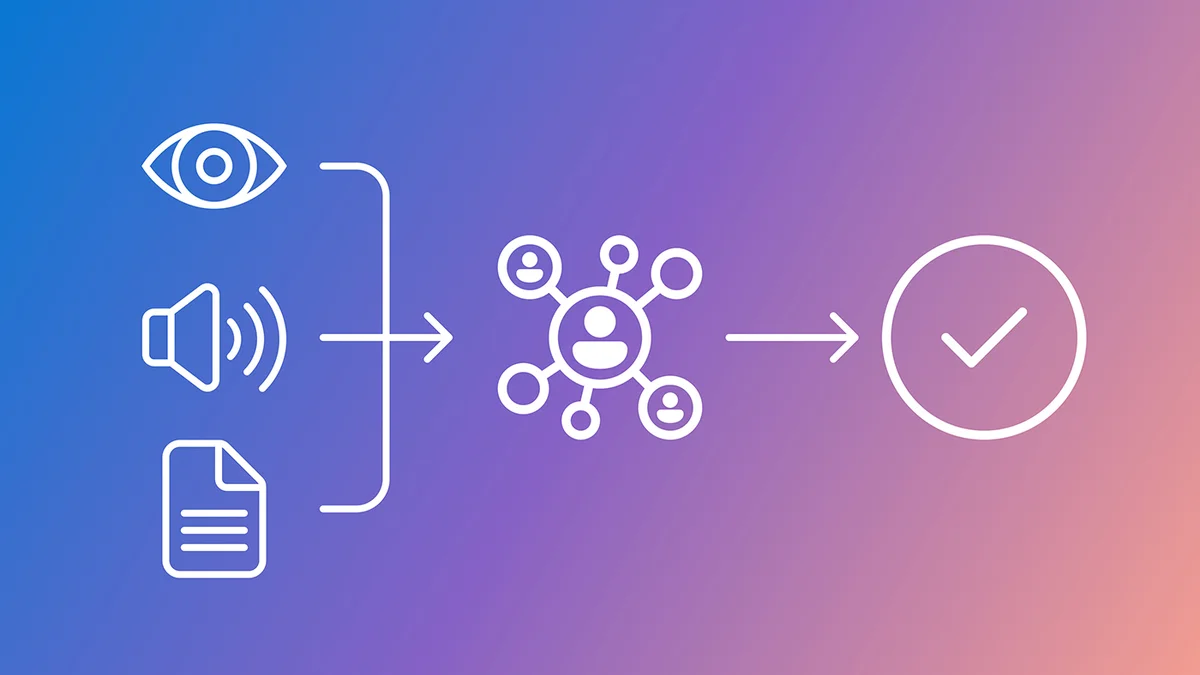
Diagram showing visual, audio, and document icons feeding into a central network icon of connected people, which then leads to a checkmark symbol, all on a blue‑to‑purple gradient background.
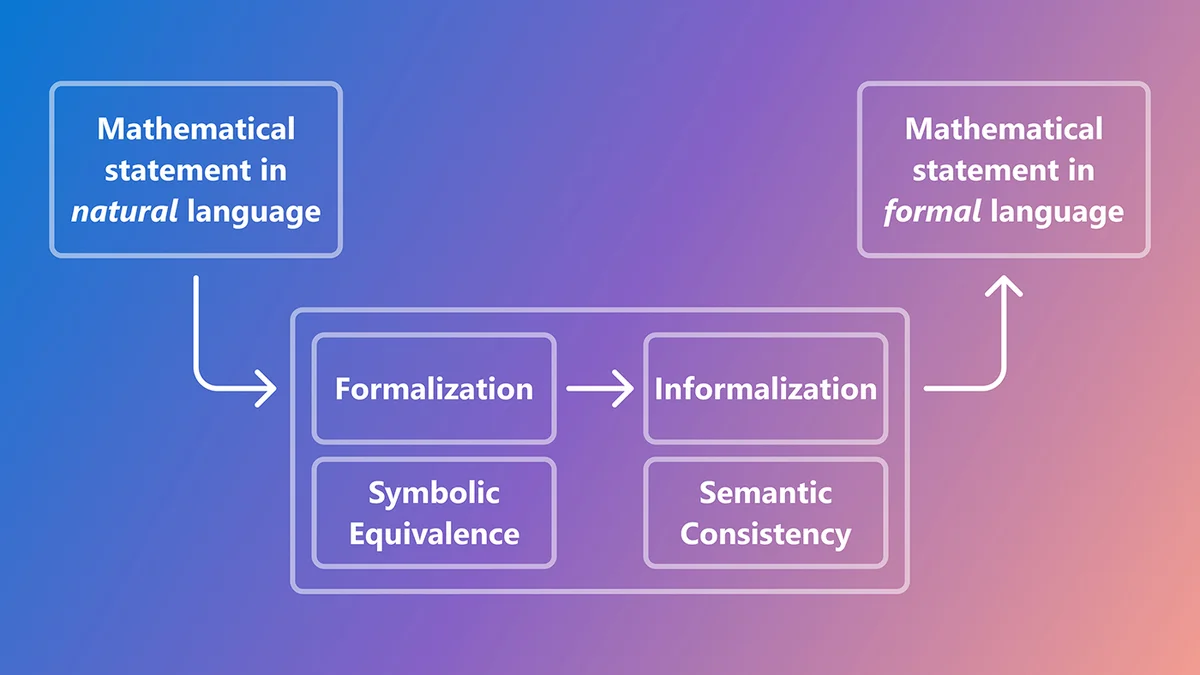
The image shows a diagram illustrating the relationship between mathematical statements in natural language and formal language. On the left, there is a blue box labeled "Mathematical statement in natural language." An arrow points from this box to a central section containing four smaller boxes arranged in two rows. The top row contains "Formalization" and "Informalization," while the bottom row contains "Symbolic Equivalence" and "Semantic Consistency." An arrow points from this central section to a purple box on the right labeled "Mathematical statement in formal language." The background of the image transitions from blue on the left to purple on the right.
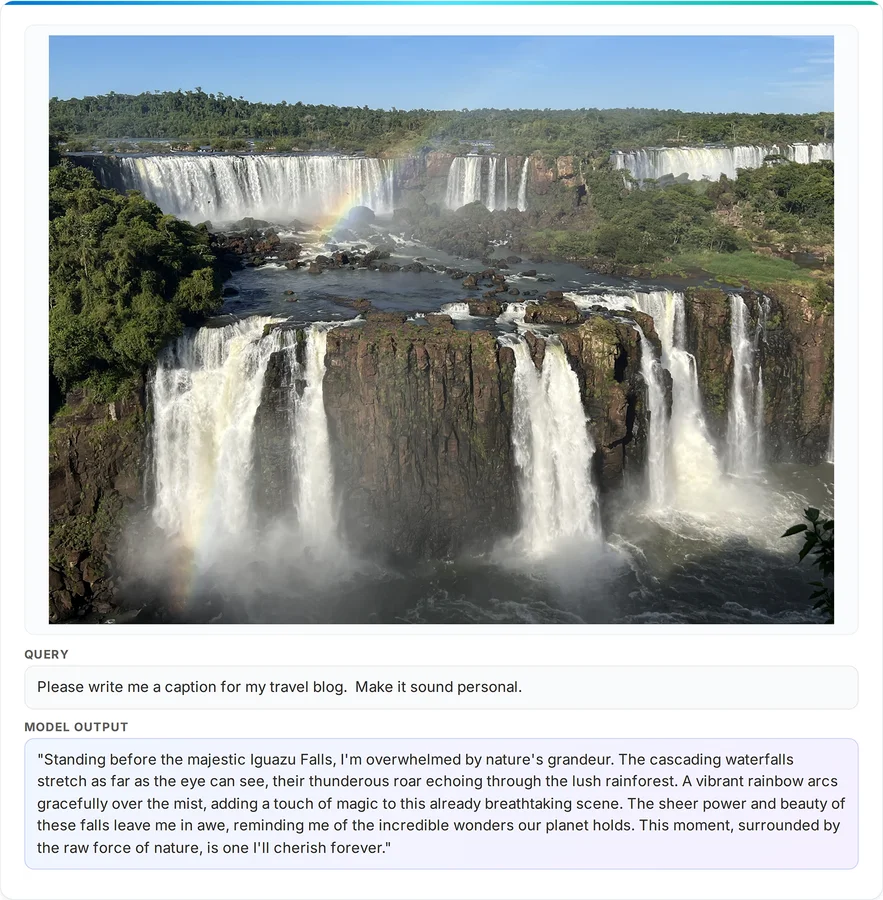
A travel blog caption task. Given a photo of Iguazu Falls, the model writes a personal, evocative caption referencing the rainbow, the mist, and the emotional experience.
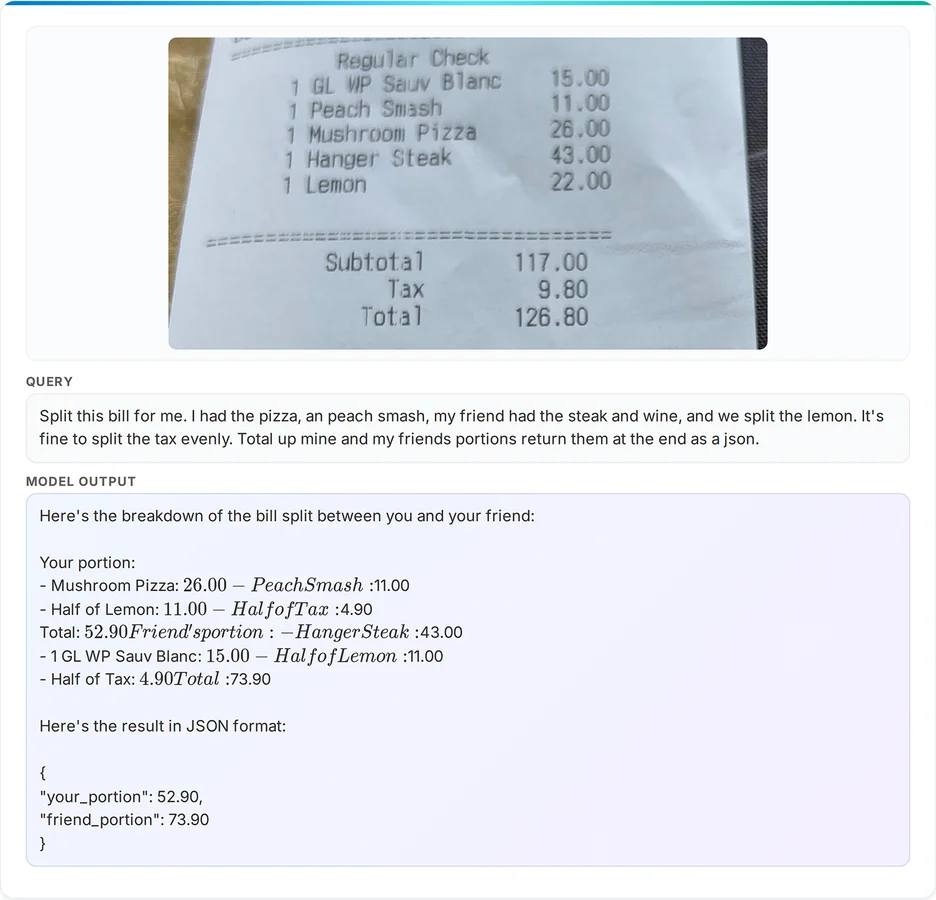
Restaurant bill splitting. Given a photo of a receipt and instructions about who ordered what, the model calculates each person's share including half the tax, and returns the result as JSON.
TL;DR
Главное
Microsoft выпустила Phi-4-Vision-Reasoning — компактную модель, которая объединяет анализ изображений с глубокими логическими рассуждениями, делая сложные AI-системы быстрее и дешевле.
Ключевые факты
- /Модель относится к семейству малых языковых моделей (SLM) Phi.
- /Ключевая особенность — сочетание мультимодальности (зрение) и навыков рассуждения (reasoning).
- /Главная цель — снизить затраты и задержки, типичные для крупных моделей.
Инсайт
Тренд на «умные» компактные модели может вернуть вычисления из облака обратно на устройства пользователей, так как для сложного анализа больше не потребуется суперкомпьютер.
Читайте также


Гайды по теме
*Meta признана в РФ экстремистской организацией и запрещена.